
The Thrill of the Game
The psychology of gambling is deeply intertwined with the thrill that comes from playing games of chance. Casinos are designed to create an exhilarating atmosphere, often utilizing bright lights, vibrant colors, and upbeat music to foster excitement. This sensory overload stimulates players, drawing them into a world where their focus is purely on the potential for winning. The initial adrenaline rush experienced upon placing a bet can be incredibly motivating, as it taps into our primal instincts for risk-taking and reward. Sometimes, while engaging in this high-stakes environment, players may find themselves searching for a cash slot for cash app to increase their options for funding their gambling activities.
Moreover, the unpredictability of gambling can further amplify this thrill. The uncertain nature of outcomes keeps players engaged, as the possibility of a big win looms over them. This excitement triggers the release of dopamine in the brain, creating a pleasurable high that compels players to keep returning in hopes of recapturing that feeling. Understanding this emotional response helps explain why many people find themselves drawn to casinos, as the allure of excitement can often overshadow the potential pitfalls of gambling.
The Role of Rewards and Reinforcement
The psychology behind winning at a casino is heavily influenced by the system of rewards and reinforcement. Positive reinforcement plays a crucial role in motivating players to continue gambling. When someone wins, even if it's a small amount, it serves as validation, encouraging further play. Each win, no matter how minor, reinforces the idea that success is achievable, making players more likely to invest more time and money in pursuit of larger rewards. Understanding these principles is vital for those curious about the industry's growth.
Additionally, casinos use various tactics to evoke this response. For instance, the frequent placement of slot machines that yield small wins, known as "near misses," keeps players engaged by leading them to believe that a significant win is just around the corner. This constant cycle of reward and hope is powerful, as it creates a compelling narrative that players often get caught up in, fueling their desire to keep playing in hopes of hitting it big.
The Influence of Social Interaction
Social interaction is another key element that drives players to casinos. Many people enjoy the camaraderie and shared experiences that come from gambling with friends or meeting new people at the gaming tables. The social aspect of gambling can be extremely motivating, as it fosters a sense of belonging and excitement among players. Engaging with others who share the same interests enhances the overall experience and can encourage individuals to return to the casino repeatedly.
Furthermore, the presence of other players can create a competitive atmosphere, leading individuals to push their limits and gamble more than they initially intended. This social dynamic can heighten the thrill of the game and motivate players to test their luck, reinforcing the emotional highs associated with winning. The blend of community and competition forms a powerful motivation for many who frequent casinos.
The Impact of Cognitive Biases
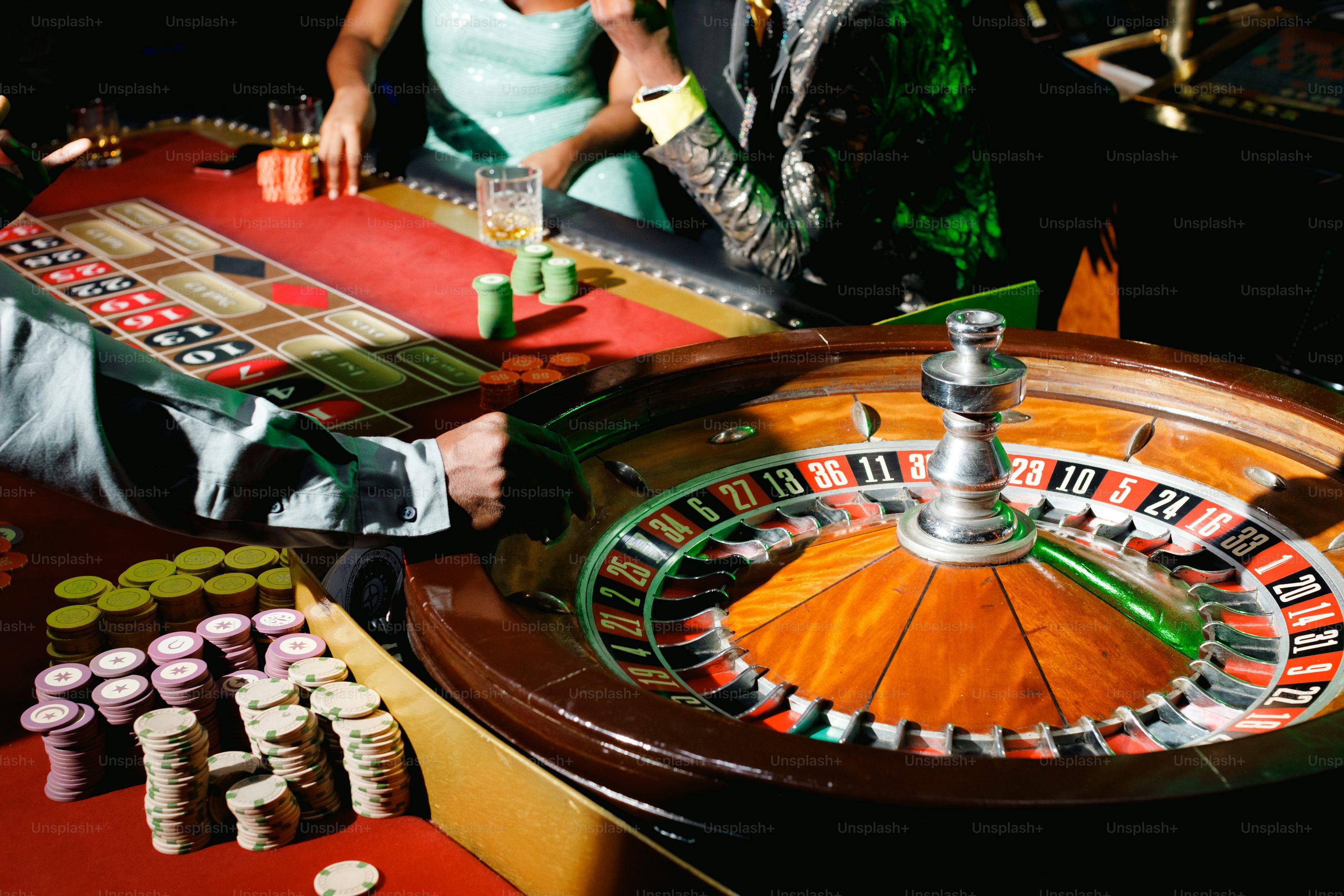
Cognitive biases significantly shape the decisions that gamblers make, often leading them to overestimate their chances of winning. One common bias is the "gambler's fallacy," where individuals believe that past results influence future outcomes. For instance, a player might think that since a specific number hasn’t come up in roulette recently, it is 'due' to appear soon. This flawed reasoning can compel players to place more bets, driven by the misconception that they have some control over random events.
Additionally, the illusion of control can further exacerbate this mindset. Many players believe they can influence the outcome through their skills or strategies, despite the inherent randomness of most casino games. These cognitive biases not only motivate players to gamble but also often lead them to chase losses, believing that they can turn their luck around. Understanding these psychological principles is essential for recognizing the motivations that drive players in a casino environment.
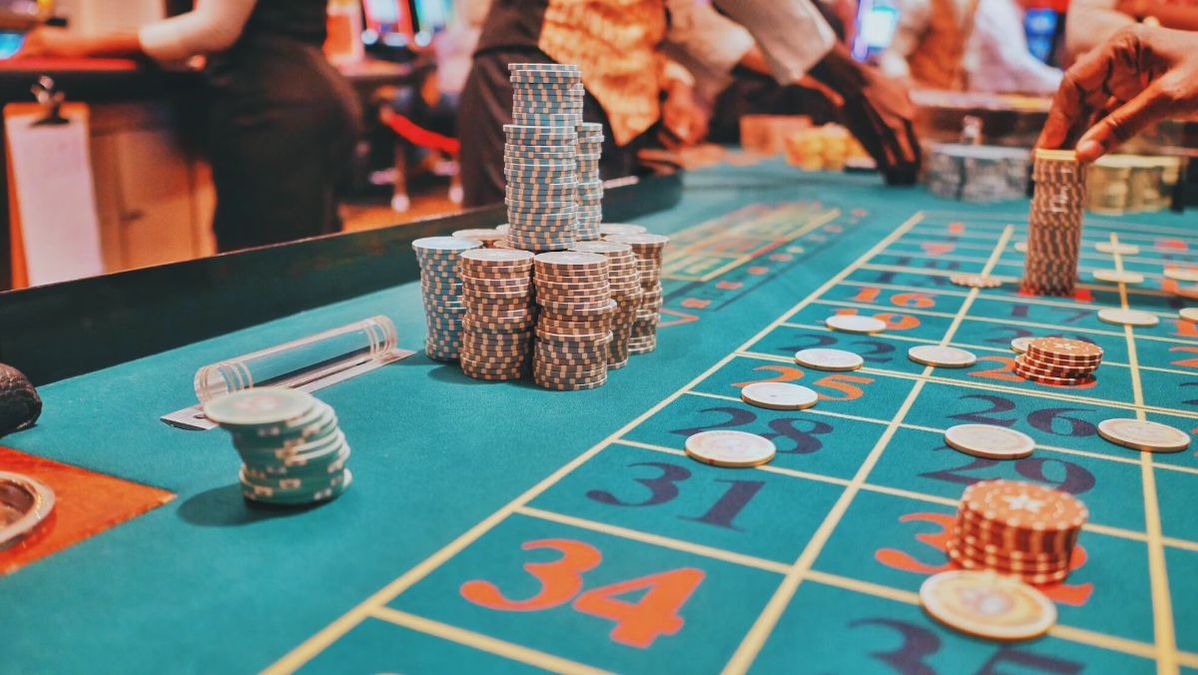
Understanding Player Behavior for Better Engagement
Exploring the psychology of gambling sheds light on why players are motivated to engage with various casino games. Casinos are designed with a deep understanding of psychological principles, successfully attracting and retaining players through a mix of excitement, social interaction, and cognitive incentives. By recognizing these underlying motivations, those interested in the gaming industry can create environments that enhance enjoyment while also considering responsible gambling practices.
Additionally, insights into player behavior can help inform strategies that promote positive engagement with gambling activities. As both players and operators seek to create enjoyable experiences, a balanced approach that acknowledges the psychological aspects of gaming is crucial for sustainability in the casino industry. The study of these dynamics ensures that both players' enjoyment and responsible gambling are prioritized in the ever-evolving landscape of casinos.










)

