The historical evolution of casinos From ancient games to modern entertainment hubs
The Origins of Gambling: Ancient Civilizations
The history of casinos traces back to ancient civilizations, where gambling was an integral part of cultural practices. Evidence from archaeological sites suggests that as early as 3000 BC, the Chinese were using rudimentary forms of dice. Similarly, ancient Egyptians engaged in various gambling activities, often involving games of chance played with knucklebones. These early forms of gambling laid the foundation for more structured gaming environments, and you can explore options like Ice Fishing free play to dive into contemporary experiences.

In ancient Rome, the love for games of chance became more pronounced, with betting being a popular pastime among citizens. Romans constructed dedicated spaces for gambling, which can be seen as the precursors to modern casinos. This early embrace of gambling reflected societal values and contributed to the evolution of leisure activities, gradually shaping the landscapes of entertainment.
The Rise of Gambling Houses in Europe
The development of dedicated gambling houses emerged in Europe during the Renaissance period. In Italy, establishments known as “ridotti” allowed the aristocracy to indulge in games like baccarat and craps. These exclusive venues marked a significant shift in the gambling culture, transitioning from informal gatherings to organized gaming houses where rules were established, and games became more sophisticated.
The spread of these gambling houses throughout Europe led to the establishment of the first official casino in Venice in 1638. This innovative space not only provided games of chance but also served as a hub for social interaction, reflecting a blend of entertainment and high society. The casino began to evolve into a symbol of luxury and leisure, attracting a wider audience and setting the stage for future developments in gambling.
The 19th Century: The Golden Age of Casinos
The 19th century marked a golden age for casinos, particularly in cities like Monte Carlo and Las Vegas. The establishment of the Monte Carlo Casino in 1863 epitomized luxury and sophistication, drawing in wealthy patrons from across the globe. This period saw an explosion of interest in gambling, with the introduction of games like roulette, which became synonymous with casino culture.
In the United States, the legalization of gambling in various states led to the rapid growth of casinos, particularly in Nevada. The Nevada Gaming Control Board was established to regulate the industry, allowing Las Vegas to flourish as the gambling capital of the world. The allure of casinos evolved, combining elements of entertainment, glamour, and excitement, positioning them as major tourist attractions.
The Digital Revolution: Online Casinos
The rise of the internet in the late 20th century revolutionized the gambling industry, leading to the emergence of online casinos. This new platform allowed players to engage in casino games from the comfort of their homes, breaking geographical barriers that once limited access to traditional casinos. Online gambling websites began to proliferate, offering a wide range of games including slots, poker, and live dealer experiences.
The convenience and accessibility of online casinos attracted a diverse audience, from casual players to serious gamblers. Innovations in technology, such as mobile gaming and virtual reality, continue to enhance the online gaming experience, making it an essential part of modern gambling culture. This transition reflects broader societal shifts towards digital engagement, with online casinos becoming a staple in the entertainment landscape.
Exploring Today’s Casino Experience
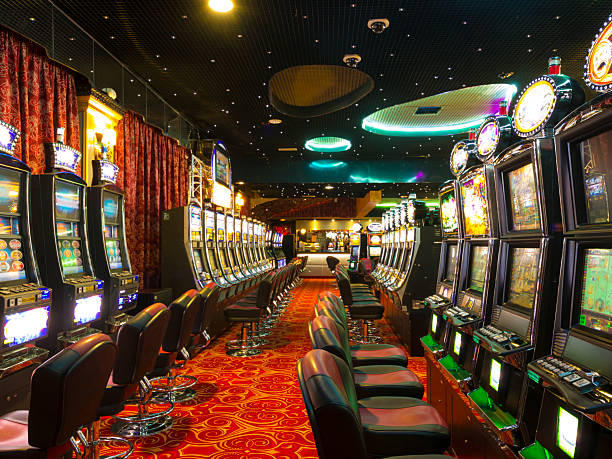
Today’s casinos are multifaceted entertainment hubs that offer much more than just gambling. They feature a blend of luxurious accommodations, world-class dining, live entertainment, and shopping experiences, making them destinations for both gamers and non-gamers alike. With advancements in technology, many land-based casinos now incorporate elements from online gaming, such as electronic table games and interactive betting experiences.
Moreover, the future of casinos looks promising as they adapt to changing consumer preferences and technological innovations. Many establishments are embracing sustainability and inclusivity, creating environments that cater to a wider audience. As casinos continue to evolve, they remain iconic symbols of entertainment, reflecting both historical legacies and modern advancements.